When Does Your Home Need a Dedicated Electrical Circuit?
Modern households rely on appliances and equipment that draw a considerable amount of electricity. When high-demand devices share a circuit with lights, outlets, or other appliances, the circuit may become overloaded.
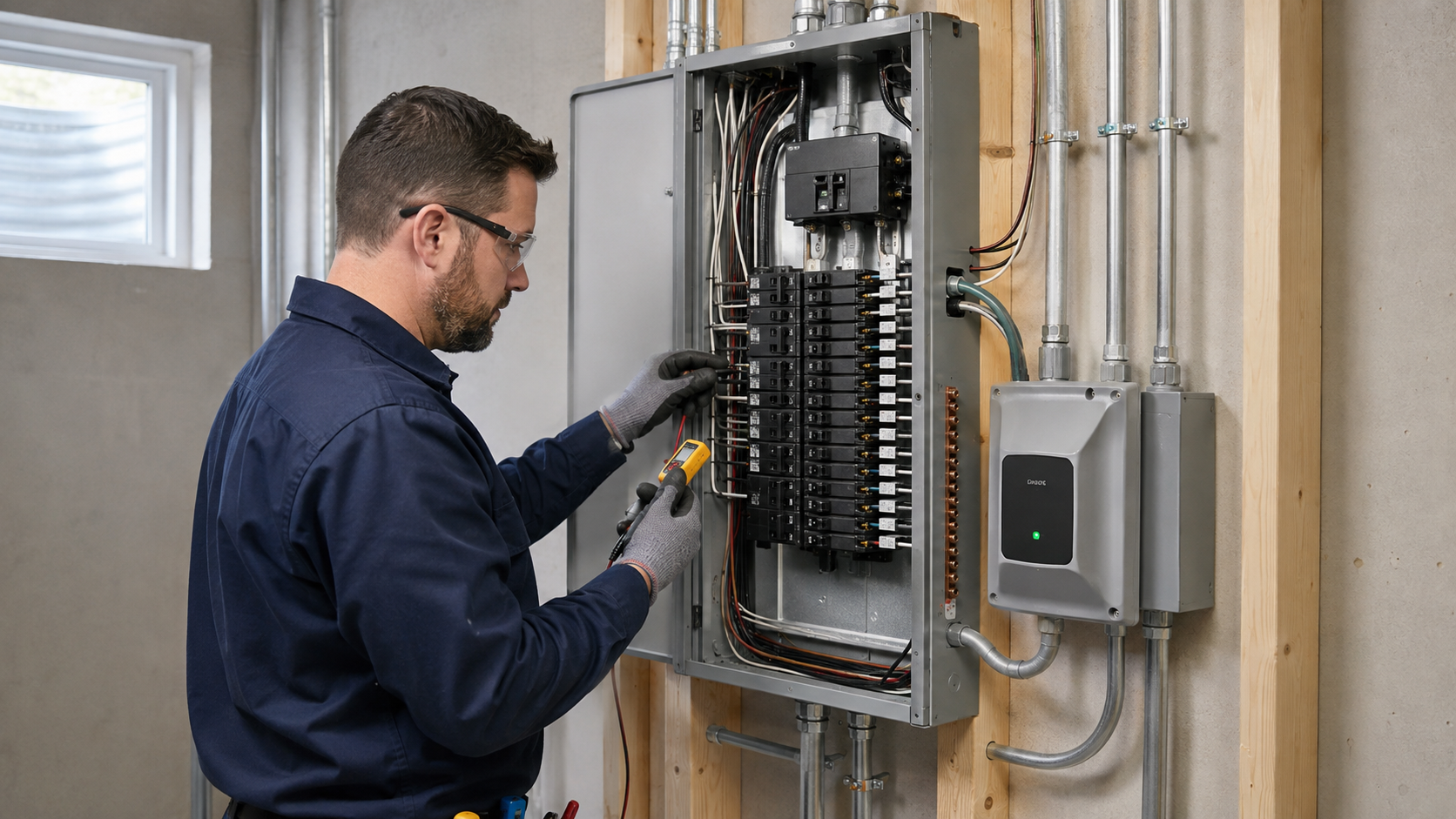
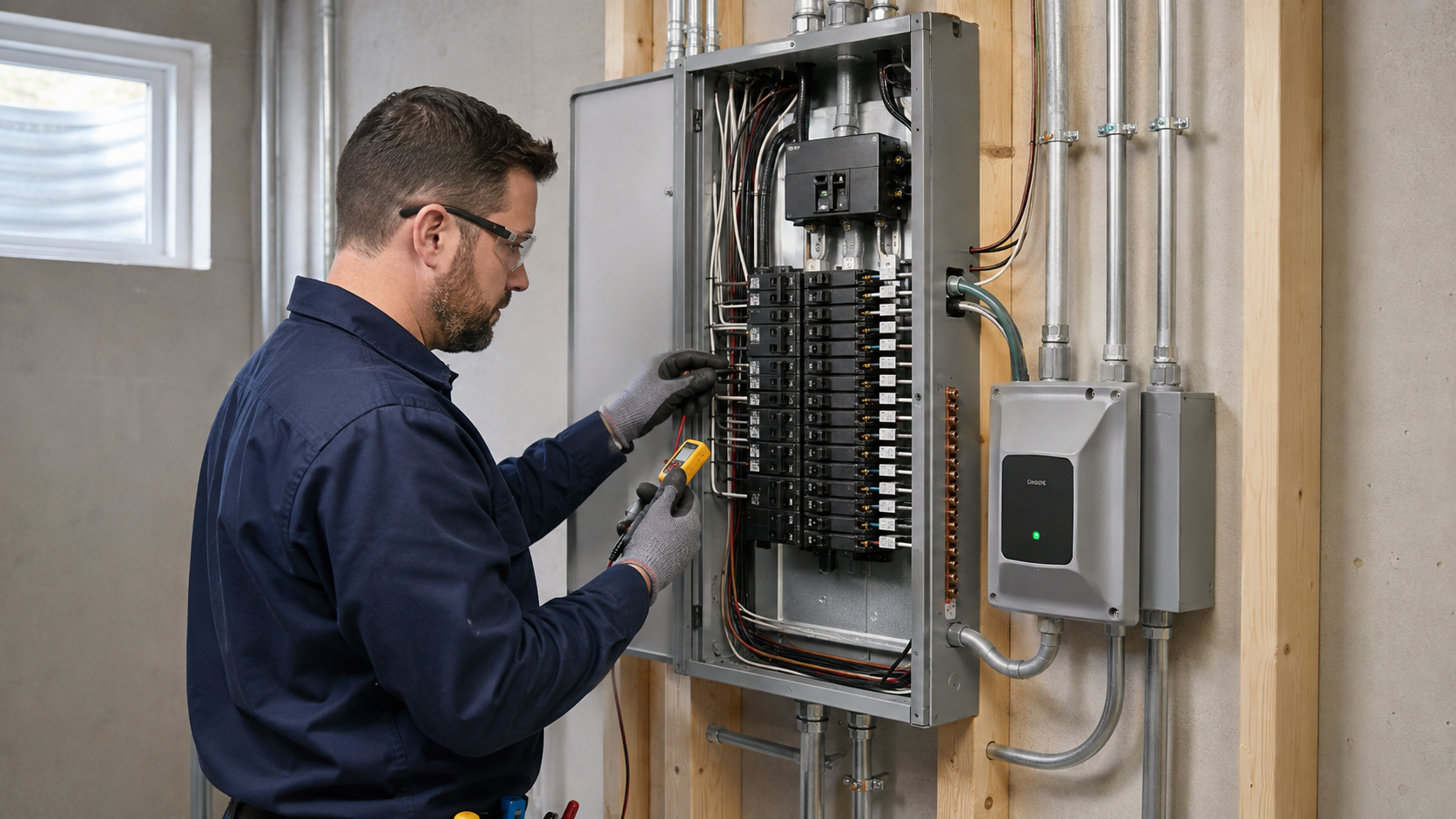
A dedicated circuit supplies electricity to one specific appliance or piece of equipment. It has its own breaker in the electrical panel and does not share power with unrelated outlets or devices.
Dedicated circuits can help equipment operate reliably while reducing the risk of overloaded wiring.
Which Appliances May Need Dedicated Circuits?
The appropriate electrical setup depends on the appliance, manufacturer requirements, local regulations, and the existing electrical system.
Equipment commonly placed on dedicated circuits includes:
- Refrigerators and freezers.
- Electric ranges and wall ovens.
- Dishwashers.
- Washers and electric dryers.
- Central air-conditioning equipment.
- Electric water heaters.
- Sump pumps.
- Garbage disposals.
- Built-in microwaves.
- Hot tubs and pool equipment.
- Workshop machinery.
- Larger space-heating equipment.
Home-office equipment, gaming systems, or specialized medical devices may also benefit from separately evaluated circuits when reliable power is especially important.
A professional electrician can calculate the electrical load and determine the correct circuit requirements.
Warning Signs of an Overloaded Circuit
An overloaded circuit may provide warning signs before it becomes a more disruptive problem.
Watch for:
- Breakers that trip repeatedly.
- Lights that dim when an appliance starts.
- Outlets or wall plates that feel warm.
- Buzzing sounds from outlets or switches.
- Appliances that cause temporary power interruptions.
- Burning or melted-plastic odors.
- Heavy dependence on extension cords.
- Multiple high-demand devices connected to one outlet.
Stop using an outlet if it appears scorched, produces a burning odor, or feels unusually hot. If you see smoke or fire, leave the property and call 911.
Why Does the Breaker Keep Tripping?
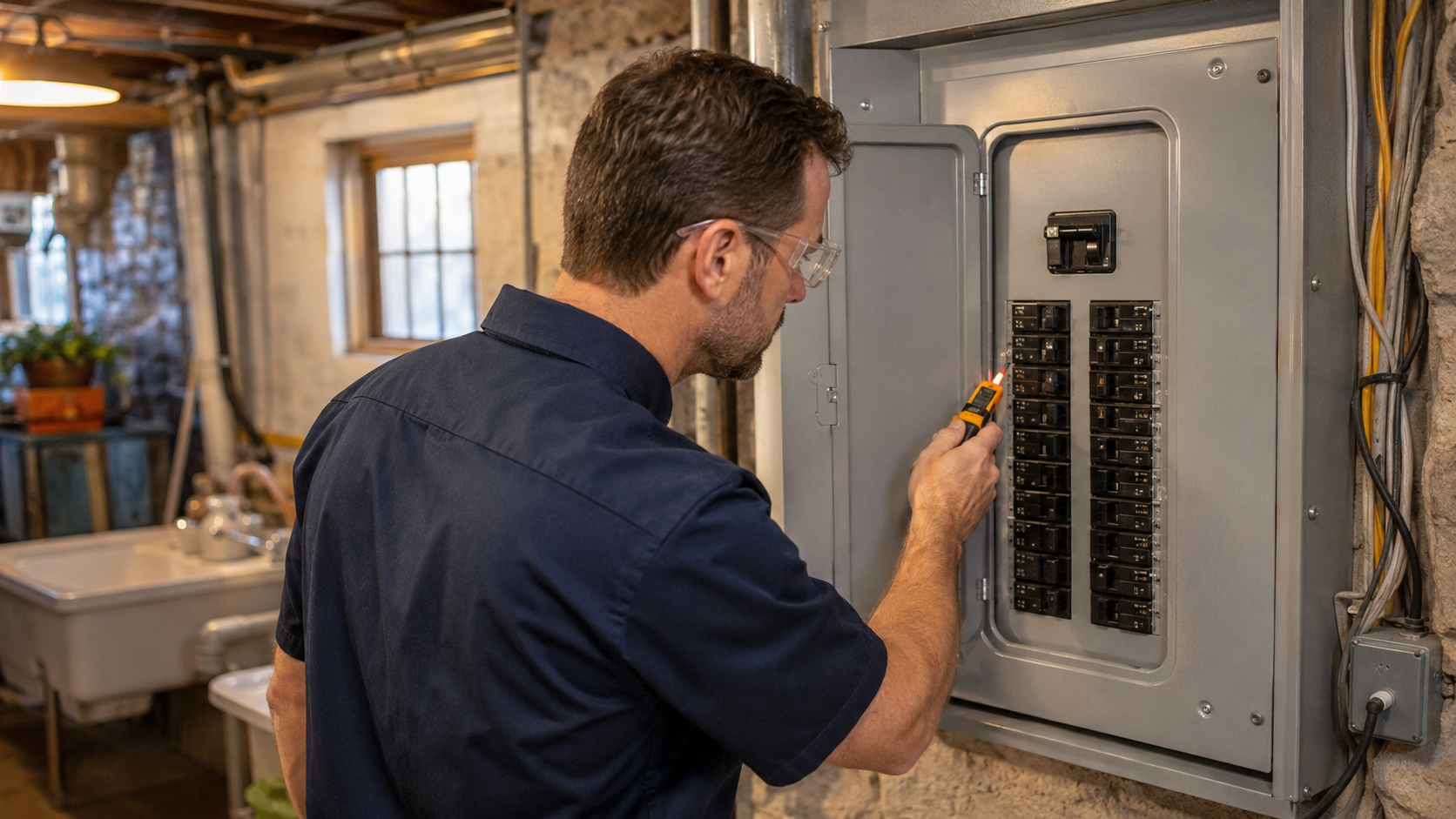
A circuit breaker is designed to interrupt power when it detects an unsafe condition. Resetting the breaker repeatedly without identifying the cause does not solve the underlying issue.
The problem could involve:
- Too many devices on one circuit.
- A defective appliance.
- Damaged wiring.
- A loose electrical connection.
- A short circuit or ground fault.
- A worn or improperly sized breaker.
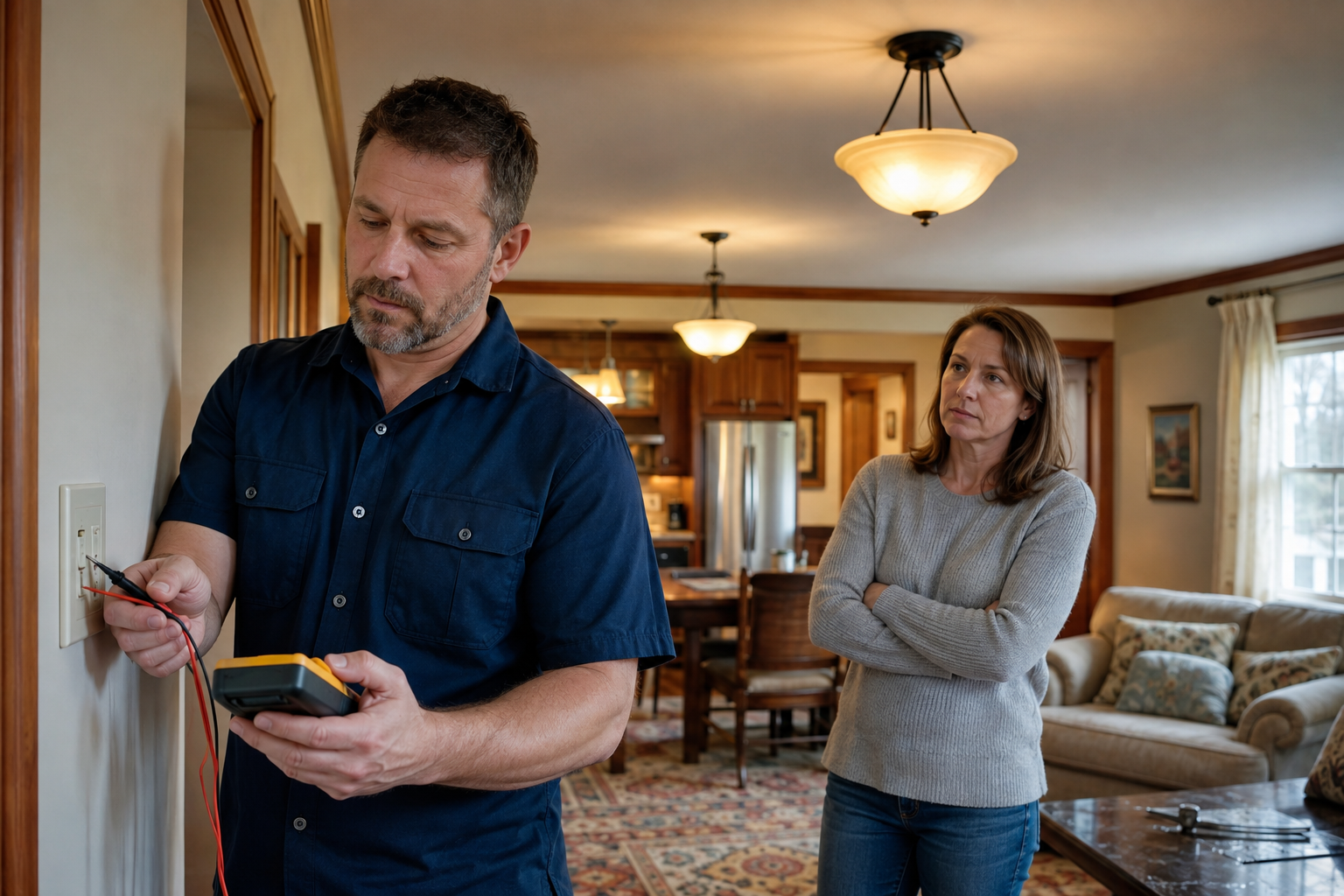
An electrician can troubleshoot the circuit and determine whether it needs repair, redistribution, or replacement with a properly designed dedicated circuit.
Dedicated Circuits During Home Renovations
Renovations are an ideal time to review your home’s electrical capacity.
You may need new circuits when:
- Remodeling a kitchen.
- Finishing a basement.
- Adding a laundry room.
- Creating a home office.
- Installing workshop equipment.
- Adding HVAC equipment.
- Replacing a gas appliance with an electric model.
- Building an addition.
Planning the electrical work before walls and finishes are completed can prevent expensive changes later.
Don’t Substitute Extension Cords for Permanent Wiring
Extension cords are intended for temporary use. They should not become a permanent solution for missing outlets or insufficient circuits.
Running extension cords under rugs, through doors, or behind furniture can expose them to damage and overheating. Connecting multiple strips or extension cords together can create additional hazards.
If your home does not have enough conveniently located outlets, an electrician can discuss adding receptacles and properly supported circuits.
Schedule Dedicated Circuit Installation
County Electrical and Mechanical provides residential wiring, electrical installations, troubleshooting, and service replacement for homeowners in Pottsville and surrounding Pennsylvania communities.
If a new appliance needs its own circuit or your breakers trip whenever equipment is used, schedule a professional evaluation before the problem becomes more serious.
Call: 570-527-8107
Email:
davis.evan0@gmail.com